
CERTIFIED CREDIT & COLLECTION MANAGEMENT PROFESSIONAL (3CP)

Available Dates & Locations

Dates
July 19, 2026
–
July 23, 2026
Location
Kuala Lumpur
Duration
5 Days
Venue
09:00 am – 03:00 pm (Kuala Lumpur)
Language
EN
Fees

$5,950.00

Dates
November 15, 2026
–
November 19, 2026
Location
Riyadh
Duration
5 Days
Venue
09:00 am – 03:00 pm (Riyadh)
Language
EN
Fees

$5,350.00

contact us

COURSE OVERVIEW

Credit and collections management is a critical business process that directly affects an organization’s financial health, liquidity, and cash flow. Achieving the right balance between accelerating collections and minimizing bad debts requires effective strategies and a solid understanding of modern tools, techniques, and analytical practices. This course is designed to equip participants with the knowledge and skills needed to improve collection processes, increase operational efficiency, and strengthen the organization’s financial performance.

COURSE OBJECTIVES

By attending this course, participants will be able to:

  • Explain the importance of collections management in strengthening an organization’s financial health.
  • Develop and implement effective credit and collection policies and procedures.
  • Apply best practices in collections management.
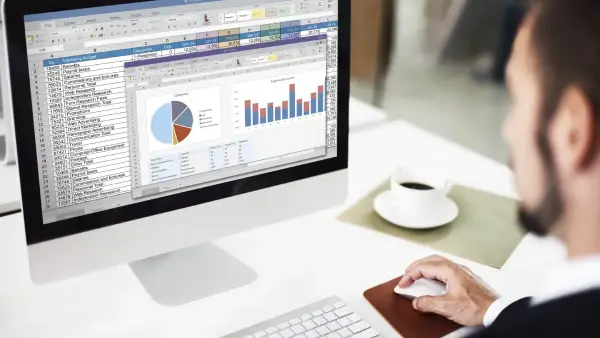
  • Use planning and monitoring tools such as Excel and Power Pivot to analyze and improve collections operations.
  • Prepare comprehensive analytical reports to monitor performance and provide recommendations for improving collections.
  • Apply various collections strategies and manage overdue payments effectively.
CERTIFIED CREDIT & COLLECTION MANAGEMENT PROFESSIONAL (3CP) β€” course overview

TARGET COMPETENCIES

  • Payment Collection Policies
  • Credit Operations Tools
  • Collections Data Analysis
  • Credit Policy Structure
  • Analytical Reporting
  • Financial Analysis Tools

This course has been designed to meet the needs of:

  • Banking and financial sector employees involved in credit and collections operations.
  • Finance managers and accountants seeking to improve collections efficiency within their organizations.
  • Professionals interested in developing their capabilities in collections management and financial data analysis.

This course uses a variety of learning strategies and instructional methods, including case studies, group discussions, and practical workshops. These methods are designed to ensure deep understanding and hands-on application of effective collections practices.

NOTE: This course requires Microsoft Excel 2019/365. Participants should bring their own laptops with a fully installed version of Microsoft Excel on a Windows operating system.

Module 1: Effective Collections Management

  • The importance of collections management in organizations.
  • Key elements of the collections process.
  • The difference between effective and ineffective collections.
  • The impact of collections management on the organization’s financial health.
  • Credit and collection policies and procedures.
  • Commonly adopted best practices.
  • Assessment and follow-up tools.

Module 2: Collections Planning and Strategies

  • Collections planning.
  • How to develop comprehensive collections plans.
  • Setting objectives and key performance indicators.
  • Different collections strategies.
  • How to select the most appropriate strategy.
  • Planning tools using Power Pivot.
  • Preparing planning schedules and monitoring progress.
  • Workshop: Preparing a comprehensive plan to improve collections performance.

Module 3: Collections Follow-Up and Financial Data Analysis

  • Collections follow-up.
  • Effective follow-up techniques and tools.
  • Using Excel to monitor collections activities.
  • Financial data analysis.
  • How to analyze overdue payments and outstanding receivables.
  • Workshop: Analyzing real financial data.

Module 4: Collections Reporting and Performance Monitoring

  • Preparing a collections report.
  • Key components of a collections report.
  • How to prepare collections reports.
  • Organizing data and presenting findings clearly.
  • Performance monitoring.
  • Key performance indicators (KPIs) in collections management.
  • Preparing performance monitoring templates.
  • Analyzing performance and presenting improvement recommendations.

Module 5: Continuous Improvement and Final Evaluation

  • Continuous improvement techniques.
  • The importance of periodic updates to policies and procedures.
  • Continuous training for the collections team.
  • Training and professional development tools.
Back to top
0
    0
    Your Cart
    Your cart is emptyReturn to Courses